

This time next week, we’ll be talking about Mortal Kombat II, the sequel to the 2021 reboot. So far, impressions have been largely positive, calling it a big step up from the first—which is good, because that last movie felt like a happy accident.
Before and during the 2021 reboot’s release, it had several feathers in its cap. It got off on the right foot by putting the gore and fights front and center in the first trailer. Whether intentional or just the result of a small marketing budget, this was the reboot’s only trailer, with the closest thing to a “green band” version playing more like an extended Super Bowl ad. It worked to the film’s advantage, as did being one of the first Warner Bros. movies to have a dual HBO Max/theatrical release due to the pandemic. Combine that with the franchise itself being in a generally good place back then and our current game adaptation boom being in its early days, it’s no wonder Mortal Kombat became HBO Max’s biggest film launch back then.
Rewatching the movie, I see that success is carried by its action, with the actual fights providing some decent matchups most of the time. The opening and final clashes centered on Scorpion and Sub-Zero are the best of the bunch, but the rest aren’t lacking, and when it comes to the bloodshed, the trailer wasn’t lying. It’s nice to have Fatalities featured, because they feel like the only time the camera and editing get out of their own way and let these money shot kills have the visual clarity needed for them to land.
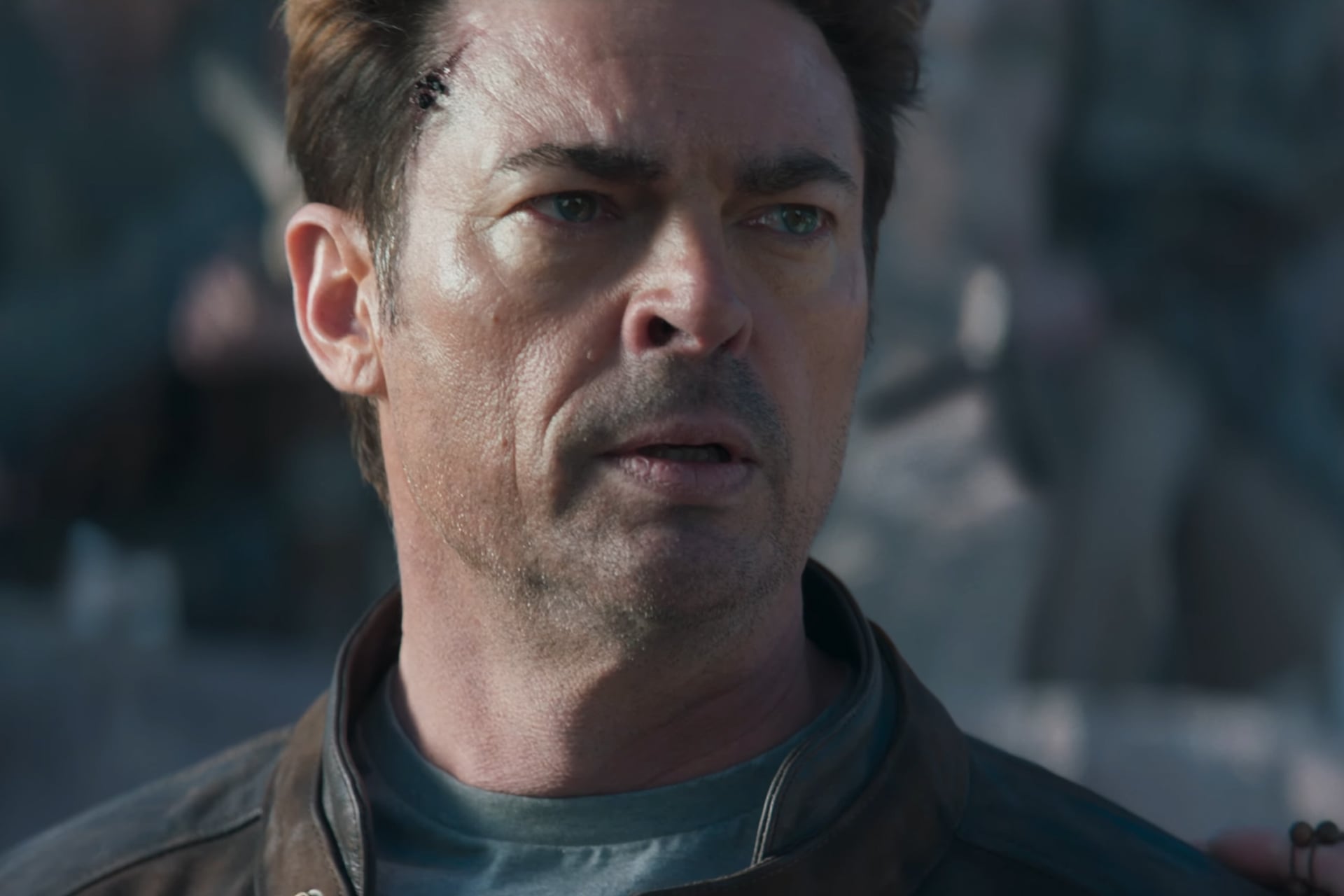 © Warner Bros.
Everything else, though, is where the movie falls apart. The core problem of Mortal Kombat (the reboot) is it feels like it exists in a world where the games do not. Already, that was going to be an impossible ask given the franchise’s heights back then and one that got more difficult during the movie’s runtime. It’s just uncomfortable in its own skin, exemplified by characters occasionally shooting off lines from the games for no reason other than obligation; this Kung Lao doesn’t have enough of a presence to cockily declare, “Flawless victory!” after his hat splits a vampire woman in two, and the murkiness around whether an actual fighting tournament happened.
But for many Kombat fans, the film’s biggest weakness is Lewis Tan’s Cole Young, an original character crafted as an audience surrogate. To their credit, the movie truly doesn’t entirely know what to do with him, unsure whether he’s the main hero (and its next Scorpion) or a single player amongst its ensemble. He’s a solution looking for a problem, which is all the more damning considering his costars Sonya and Liu Kang served similar roles in the games and previous movies. Solid performances all around can’t paper over the movie not having a plan for anyone beyond looking iconic and doing their best-known moves.
At its best, Mortal Kombat 2021 doesn’t rise above “frustratingly fine,” and even that’s dependent on your fond